 North South Carolina Plumbing
Frozen and Burst Pipes in the Carolinas: Prevention and What to Do
Quick answer
Many homes here have pipes in garages, crawl spaces and exterior walls with little insulation. Hard freezes are infrequent, so people are not prepared when one arrives.
Why Carolinas homes get caught
Many homes here have pipes in garages, crawl spaces and exterior walls with little insulation. Hard freezes are infrequent, so people are not prepared when one arrives.
Before the freeze
Disconnect hoses, insulate exposed pipes and know where your main shutoff is. Open cabinet doors on exterior walls and let a faucet drip when it gets cold enough.
If a pipe freezes
Shut off the main, open the faucet and warm the pipe gently with a hair dryer or warm towels. Do not use an open flame.
If a pipe bursts
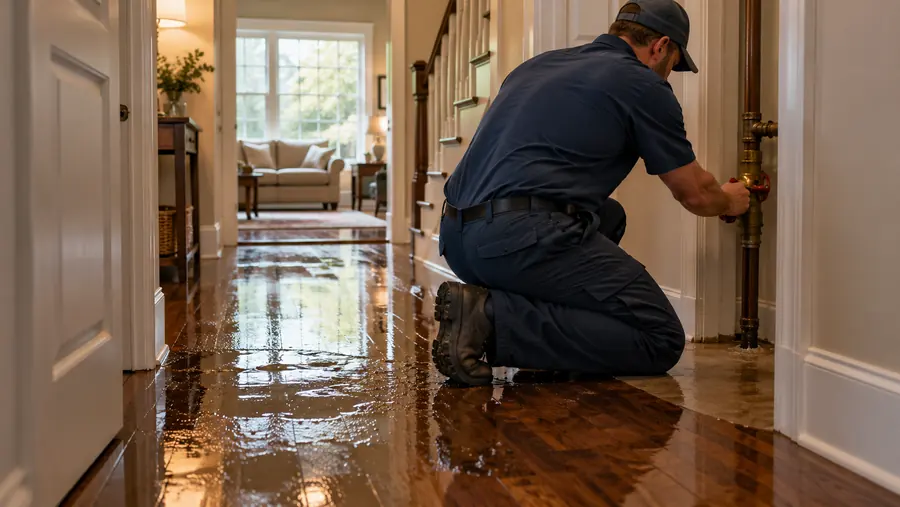
Shut off the main, turn off the water heater, photograph the damage and call a plumber and your insurer.
Coastal note
Along the coast, cold snaps can still catch vacation homes that were left unheated.
Frequently Asked Questions
How cold does it have to be for pipes to freeze?
Pipes in unprotected areas can freeze when temperatures stay below freezing for several hours.
Should I leave water dripping?
During a hard freeze it can help keep water moving. Use a trickle, not a stream.
Who pays for burst pipe damage?
Often your homeowners policy covers sudden damage. Confirm with your insurer.